
Amazing Tongatapu
- Aug 8, 2017
- 5 min read

My habit is to rise early, or at least early-ish, get into the kayak or onto the paddleboard and either go for a long paddle or simply paddle ashore and have a long, quiet walk, listen to the dawn chorus, watch the sunrise, to explore during that quiet, receptive morning space.

The profound peace I feel when my body is active and engaged and the surroundings are changing from one kind of loveliness to another moment by moment around me cannot be over-stated. The magnitude of the sky, impressions of colours and textures, might be set against an equal wonder at the tiniest detail of life in my head and heart.
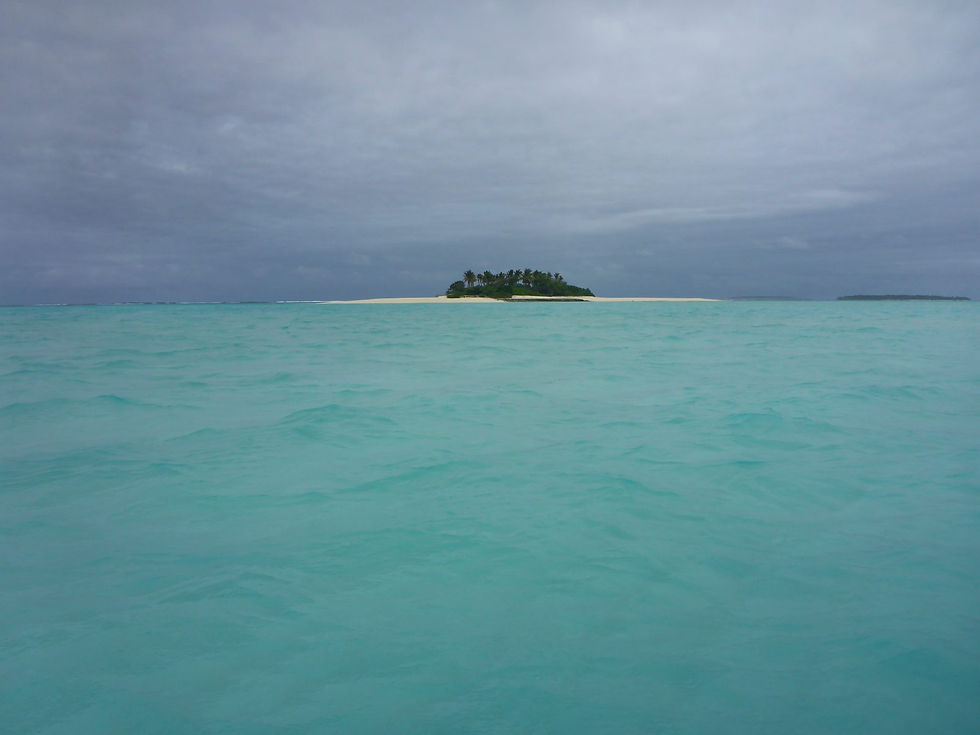
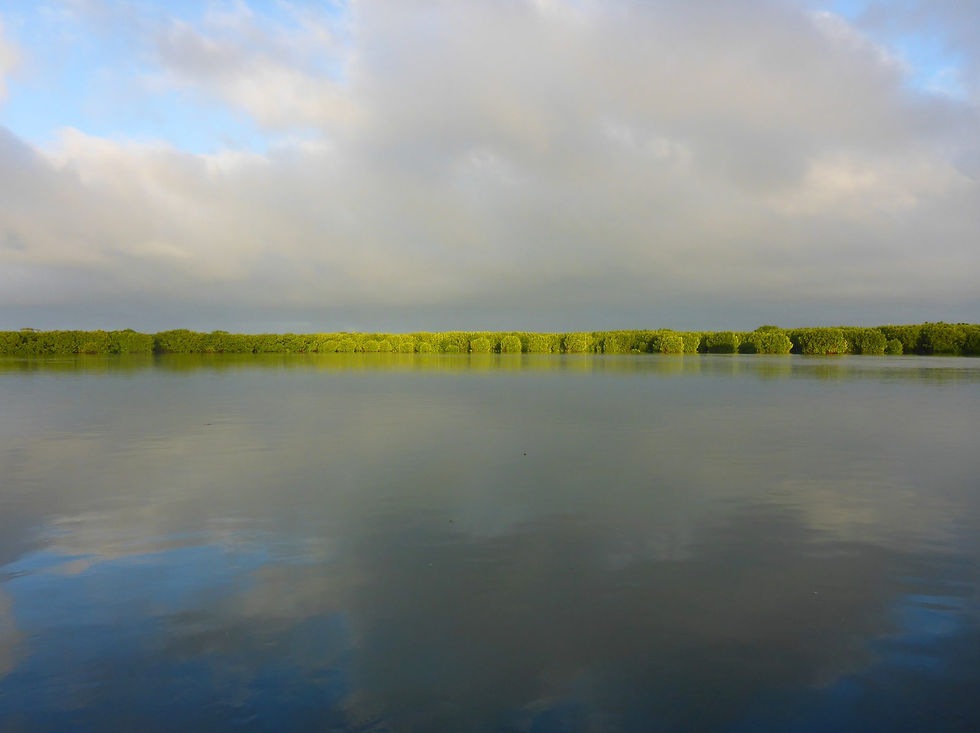
I poked about on neighbouring islands, followed reefs and shallows and passes, mooched around in the mighty mangroves,
peered into waters to see rays pass by beneath me

or forests of half awake soft corals,

fought currents and drifted with currents, upwind and downwind though chop and on glassy seas... Later in my day, when the baddy-type sharks have hopefully gone to bed, is time for swimming.

Despite the lack of total purity of the water, the decreased diversity and relatively paltry numbers in the waters around the capital, nature is still fighting royally to express itself and I never put my mask and fins on without finding that awe that skindiving always gives me. Familiar friends, huge burrowing anemones eager to draw me down;

big ruffled plates of anemones that host the most miraculous shrimpy things;

just enormous plain anemones with masses of teat-like tentacles clustered in the coral clefts protected by the lively ´Nemo´, and his equally lively relations, neighbours and pals; clouds of small reef fishes, each with their own characteristic way of going about living and relating to the big blob of me passing by. Ashore I spent patient still time watching hermit crabs locked in embrace in disputes over the empty shell that everyone wanted, and even once saw the victor vacate his old home and waddle off with his new pride and joy on his back.

I saw three or four shy-ish hawksbill turtles around and about, and then the next one I saw was for sale on the wharf for lunch! I know that eating turtle is part of the Tongan culture, but nevertheless this was not a good feeling for me and,, of course, they are protected (supposedly). Mariners have kept turtles alive for meat for months (apparently) by simply putting them on their backs, upside down, and this is how I found the wharf turtle: alive and going for a hundred pa´anga (local $, not cheap!). Anyway, we knocked Mr GuiltyGrumpyFisherman down to eighty, split it with a local divemaster and were delighted to rescue the turtle who swam off strongly when we released it from a nearby island. See the happy video of the release here: Turtle Video
Despite the lack of awareness or enforcement of environmental protection laws, the good news is that it seems to be becoming trendy for small resort islands to be granted applications to make their surrounding waters marine reserves, even the scruffy ones, which is a high proportion. Maybe this idea will spread and allow marine life to recover. Nature aside, the Tongan people are great to be around. As one Fijian lady I met put it, ´They have a very strong culture here, they have their own language...´ And it´s true, everyone speaks Tongan and English is often quite shaky (a good thing in my opinion!).

Unusually for an island nation, never having been actually under a foreign power, a sense of cultural integrity is really palpable, although religious conquering has definitely been a feature.

They are friendly without ever verging on hassling you or getting in your space, always helpful, and endearingly vague about absolutely everything. Pride and respect for their Hau (king) and belief in his benevolence is fundamental,

not to mention pride in the Tongan national rugby team, whom I had the good fortune of sharing a ferry ride with. Yes, it was just me, the driver and a boatload of bare-chested island rugby players in tiny floral wrap skirts, trapped on a small boat, hoping for disaster so that I might need to be rescued in their fleet of mighty arms. Sadly this was not to be, and also, forgive me if you can girls, my camera battery had run out... But one of the best things about Tongans is something that I find almost all over island nations: they are content with less. Perhaps this is not too important, perhaps we can say that what they do want is wildly disproportionate to what they did want in the past, but to me it is such a relief, a release, to be away from ridiculous material expectations and consumer discontent of the over-affluent, or aspiringly over-affluent west, a purely personal feeling. And Tongans are moving forward from a backward position in some surprising ways. After all my moaning about litter and plastic in Tongatapu, I have to announce the wonderful progress manifested in the introduction of bins in public spaces! Amongst islanders, awareness of the difference between a leaf that has been used to eat a meal off and a plastic tub from which a meal has been eaten, either of which are now rubbish, is often negligible. This is a real problem once lots of plastic products and packaging start to arrive on cargo ships (and end up blowing around just anywhere in paradise), so the advent of bins tells me also that awareness of what constitutes real litter is on the up! Lastly, an experience which gave me new pause for thought. Whilst in Tongatapu Dean had a dental problem. My first thought was, will we ever find a dental clinic without pigs and chickens running through the waiting room and with a qualified dentist inside? After considerable trial and error we ended up at a very well provided LDS (Mormon) clinic who offered unconditional free service (in fact they would not accept a donation, but did enjoy some banana and walnut loaves...). The service was superlative. I have always had misgivings about the Christian missionaries in the Pacific, both historically and today, on the grounds that their work seems to precipitate an unforgivable loss of native culture. Whilst my misgivings remain on that count, I was blisteringly impressed by the goodwill that we met at the LDS clinic, felt a deep respect for a system that facilitates so many people simply going out there and help others without making a fuss about it. Elder Johns and his wife seemed delighted to have the opportunity of spending two years of their retirement working full-time in a third world country providing support to many people who would otherwise be without. And so they should-- helping is great, has a wonderful feelgood factor, and probably most of us can look at such an example and imagine enjoying more contentment through giving in our own lives...


Comments